
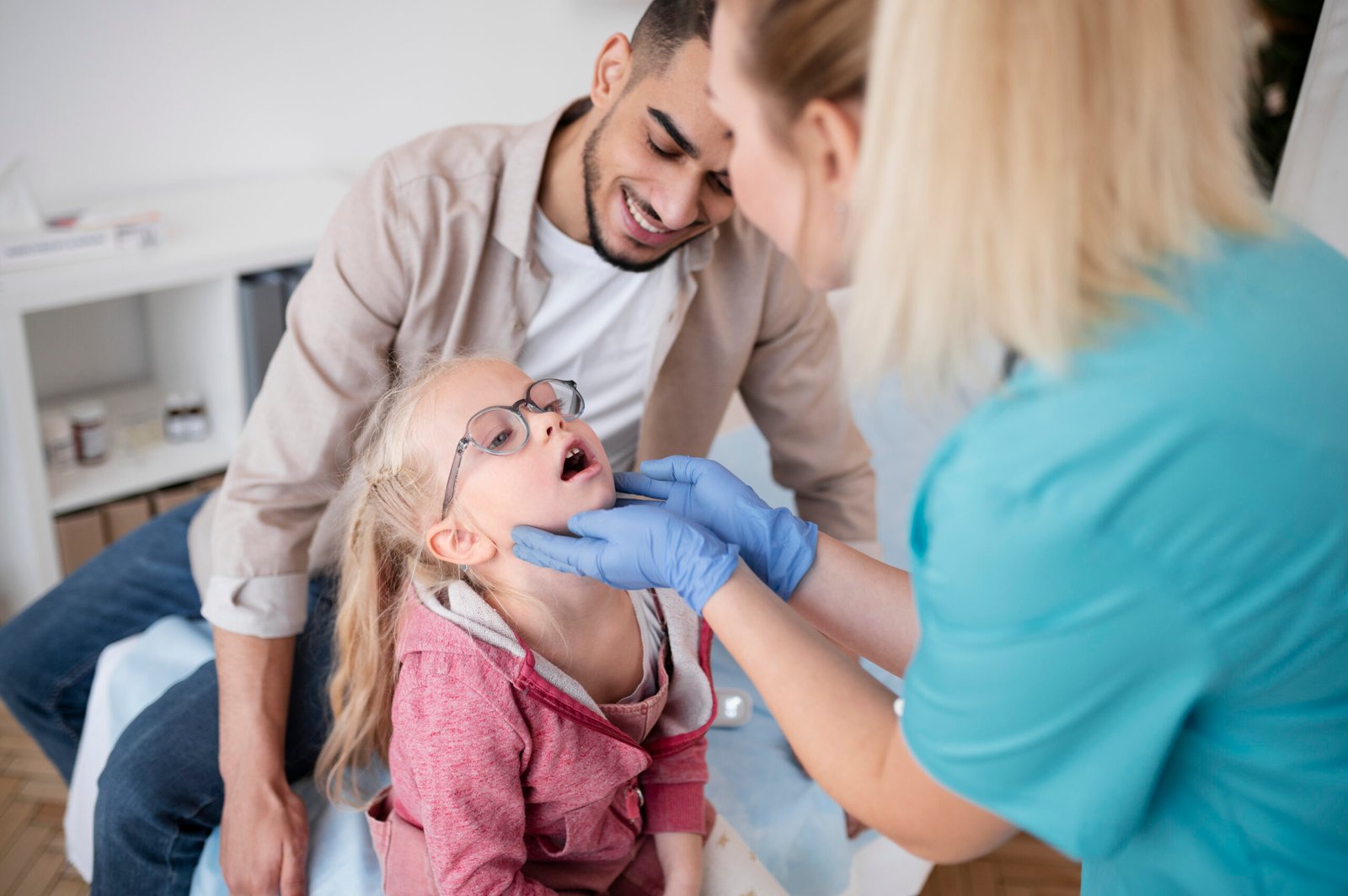
Unexpected dental problems can be overwhelming, particularly when a loved one is involved. In a family dentistry setting, you learn to respond effectively and keep your loved ones calm. First, stay aware of common dental emergencies like toothaches, chipped teeth, and knocked-out teeth. Next, act quickly. You can reduce pain and prevent further damage by rinsing the mouth with warm water and applying a cold compress. Avoid hard foods that might worsen the condition. Visiting your family dentist as soon as possible is crucial. Your dentist can quickly offer treatment and recommendations to reduce pain and stabilize the situation. For ongoing issues like jaw pain, seeking appropriate treatments is essential. For example, Botox for jaw pain in Glen Carbon, IL, offers relief for those suffering from temporomandibular joint disorders. By understanding these steps, you prepare yourself and your family for unforeseen dental issues, ensuring their well-being and peace of mind during urgent situations.
Common Dental Emergencies
Recognizing dental emergencies helps you respond effectively. Here are three common issues:
- Toothache: Toothaches can indicate a bigger problem. Use warm water to cleanse the mouth and carefully floss to clear away any trapped particles. Schedule a dental visit promptly.
- Chipped or Broken Teeth: Save any pieces. Rinse your mouth and the broken fragments. Apply gauze if there’s bleeding.
- Knocked-Out Teeth: Handle the tooth carefully. Rinse without scrubbing. Try reinserting it gently or place it in milk. Get to the dentist quickly.
Comparing Routine and Emergency Dental Care
Understanding the differences between routine and emergency dental care helps in decision-making:
| Aspect | Routine Dental Care | Emergency Dental Care |
|---|---|---|
| Purpose | Prevention and maintenance | Immediate relief and treatment |
| Timing | Scheduled | Unplanned |
| Common Procedures | Cleanings, check-ups | Pain relief, repairs |
Steps to Take During a Dental Emergency
Acting quickly during a dental emergency is crucial for minimizing damage. Here are three steps:
- Stay Calm: Panic worsens the situation. Take deep breaths and focus on the next step.
- Assess the Situation: Determine if it’s an emergency. Injuries causing bleeding, severe pain, or broken teeth often need urgent care.
- Contact Your Dentist: Explain the situation clearly. Follow their advice and schedule a visit.
Proactive Measures to Avoid Dental Emergencies
Prevention is always better than cure. You can take these steps:
- Wear Protective Gear: Use mouthguards during sports. They protect against injuries.
- Maintain Oral Hygiene: Regular brushing and flossing prevent decay and infections.
- Regular Check-Ups: Visit your dentist every six months. Early detection prevents emergencies.
For more practical ways to maintain oral health while keeping your family’s smiles looking great, check out this guide on balancing family dental health and smile aesthetics.
When to Seek Emergency Care
Not every dental issue is an emergency. Here’s when you should seek immediate care:
- Severe Pain: Unmanageable pain requires prompt professional attention.
- Excessive Bleeding: Continuous bleeding is a sign of a serious issue.
- Lost Tooth: Quick action can save it. Visit the dentist within an hour.
The Role of a Family Dentist
Your family dentist is central to managing emergencies. They provide:
- Guidance and Support: Their knowledge helps in urgent situations.
- Emergency Treatment: They offer care to alleviate pain and treat conditions.
- Preventive Care: Regular visits catch potential problems early.
Conclusion
Managing dental emergencies requires calmness and quick action. By knowing common emergencies, taking immediate steps, and working with your family dentist, you ensure the well-being of your loved ones. Establish a routine of regular check-ups and good oral hygiene. Use protective gear during risky activities. These habits prevent emergencies. In case of ongoing issues like jaw pain, consider specialized treatments. Trusted organizations like the NIDCR offer reliable information and guidance for handling oral health concerns. With preparedness and the right support, you face dental emergencies with confidence and ensure comfort for your family.
