
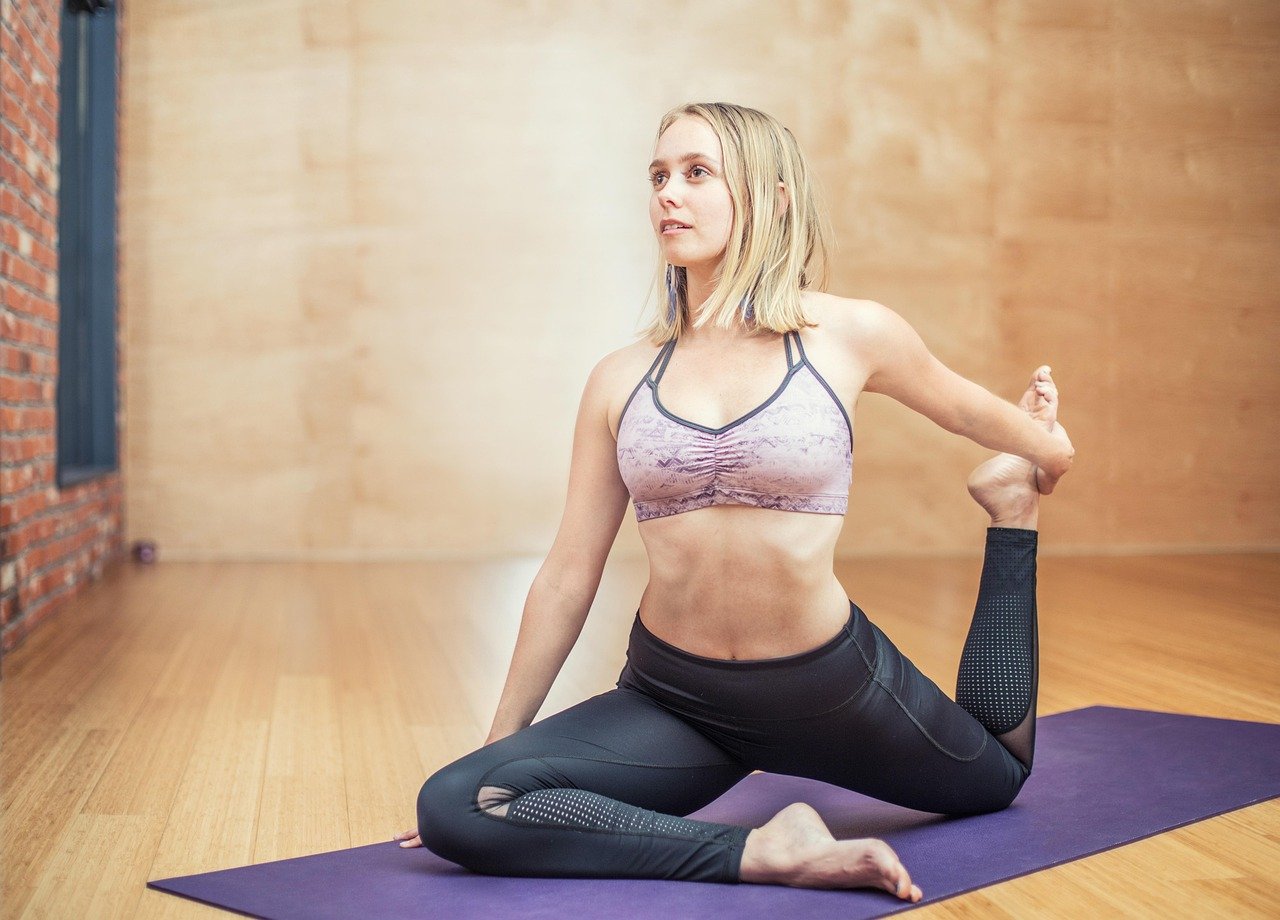
Staying active at home supports your physical strength and mental clarity. You control your routine, so you can build simple habits that fit your space and time. Many people look for trusted resources to learn practical home routines, and platforms like Info Digital Space often share helpful guides for daily movement.
Create a Clear Movement Goal
Set one simple activity goal for your day. You might aim for fifteen minutes of stretching or ten minutes of walking inside your home. Clear goals help you track progress. You avoid confusion and stay consistent.
Write down your goal each morning. Keep it visible. This small step keeps you aware of your plan and helps you follow it.
Use Bodyweight Exercises
Bodyweight exercises help you stay active without equipment. You can do them in small spaces. Start with squats, wall pushups, and lunges. Add shoulder rolls and slow step taps for warmups. Increase your pace when you feel comfortable.
You improve strength when you repeat these moves daily. Track how many reps you complete. Focus on proper form to avoid strain.
Add Short Activity Bursts
Short activity bursts keep your body moving. These sessions take two to five minutes. They help you break long sitting hours.
Try these options:
• March in place
• Do ten slow squats
• Hold a plank
• Walk around your room
• Do ten side steps
Add these bursts every hour. You will notice improved energy across the day.
Turn House Tasks Into Movement
House tasks help you stay active because they require physical effort. Vacuuming, mopping, sweeping, and folding clothes increase your daily movement. Break tasks into smaller blocks to keep your body engaged.
Track your steps while doing these tasks. Many people reach their movement target during simple home work. News Route often highlights daily routines that build activity in natural ways, and these methods fit well into your home schedule.
Create a Small Home Workout Zone
A dedicated workout zone helps you stay consistent. Use a corner of your bedroom or living room. Keep a mat or towel there. Store light weights or resistance bands if you use them.
This zone reminds you to stay active. You avoid excuses because everything is ready. Keep this zone clean and organized so you feel encouraged to use it daily.
Follow Guided Home Workouts
Guided videos help you stay focused. Choose routines that match your fitness level. Look for beginner, intermediate, or low-impact sessions. Aim for short videos that range from five minutes to twenty minutes.
Follow the same routine for a week. Measure your comfort level. Switch to a new session when the current one feels easy. You keep improving with small upgrades.
Use Indoor Walking Strategies
Indoor walking is simple. You only need a clear path. Walk around your hallway, living room, or bedroom. Set a timer for ten minutes and walk at a steady pace.
You can also try:
• Side steps
• Slow knee lifts
• Backward walking
• Walking while listening to audio learning
Add indoor walks in the morning or before meals. You improve circulation and energy.
Try Light Flexibility Movements
Flexibility routines help your muscles recover. Add gentle stretching once or twice daily. Stretch your arms, legs, back, and neck. Hold each stretch for ten to fifteen seconds.
Do not rush. Focus on calm breathing. Flexibility movements help prevent stiffness when you work from home or sit for long periods.
Stay Active With Simple Props
You can use common home items to support your activity.
Try these options:
• Use a chair for seated marches
• Use a small cushion for balance training
• Use a towel for gentle resistance
• Use a water bottle as a light weight
These small tools help you stay active without buying new equipment.
Build a Daily Movement Plan
A movement plan keeps you organized. Your plan should include warmups, activities, and cool down. Keep it short. You do not need an hour-long session. Consistency matters more than length.
A simple plan:
• Warmup for two minutes
• Bodyweight moves for five minutes
• Indoor walk for three minutes
• Stretch for one minute
Repeat this small cycle twice if you want more activity. Global Blogging often covers routine planning methods that support home lifestyles, and these structured routines help you stay productive.
Track Your Progress
Track your daily activity in a simple notebook or digital tracker. Write the time spent and the type of exercise. Progress tracking keeps you motivated. You understand what works for you.
Review your tracker each week. Adjust your plan when needed. You build a routine that matches your energy and schedule.
Stay Safe and Listen to Your Body
Move with care. Slow down when you feel discomfort. Avoid high pressure on joints when you do new exercises. Increase intensity only when your body feels ready.
Drink enough water. Wear comfortable clothes. Space your movements across the day.
Final Tips for Staying Active at Home
- Start with simple activities
• Use short blocks instead of long workouts
• Mix walking, strength, and stretching
• Stay consistent
• Track your improvements
• Use small reminders to prompt movement
You can stay active without large spaces or equipment. Small daily actions support your health and comfort at home.
