
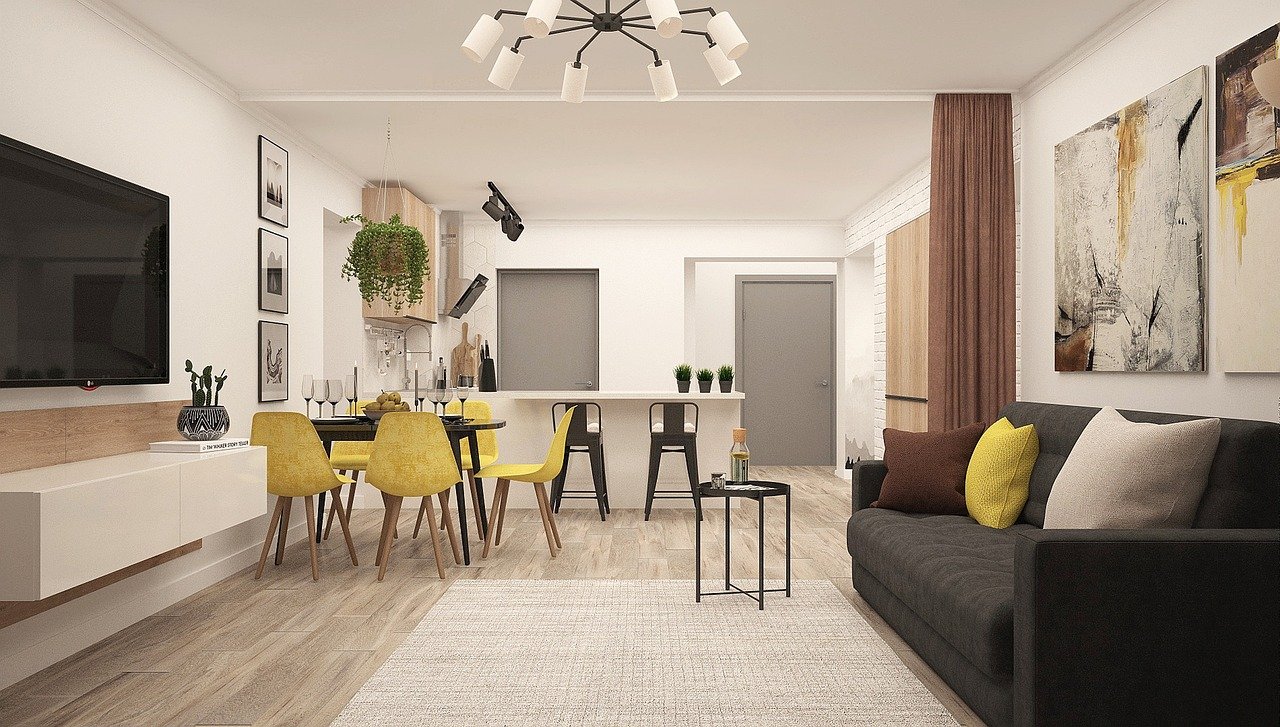
A shared living space needs structure. You manage different habits, routines, and preferences in one area. You keep the space clean when everyone follows clear steps. Many readers on Coupon Follow use simple systems to create order in small and large homes. You can use the same approach to build a shared setup that works for every person in the space.
Set Clear Zones for Each Activity
Start by dividing the room into small zones. You create a sitting zone, a study zone, a dining zone, or a storage zone. Zones help every person understand where items belong. Zones also reduce clutter because you avoid mixing items from different activities. When you label each area, you make it easy for others to follow the system.
Walk through the room and identify how many activities take place daily. Assign each activity its own space. This step creates the base of the organization plan.
Agree on Shared Rules
People share a space easily when they follow simple rules. Rules set expectations. You avoid confusion and reduce small conflicts. You can create rules like put items back after use, clear the table after meals, keep personal items in personal zones, and empty trash daily.
Keep the rules short so everyone can follow them without stress. Post the rules in a visible place.
Create Storage for Shared and Personal Items
Shared spaces work better when everyone knows where items go. Start by separating shared items from personal items. Shared items include towels, chargers, cleaning tools, and remote controls. Personal items include books, clothes, tech gadgets, or small accessories.
Use bins, small baskets, or shelves for each category. Label them clearly. Color coding helps if you have more than two people in the space. This structure keeps the room clean with minimal effort.
Use Vertical Storage to Save Floor Space
Shared areas often feel crowded because many items stay on the floor. You can free floor space by using vertical storage. Add hooks for bags, jackets, and keys. Add wall shelves for books and decor. Use tall storage units for small items that need clear placement.
Vertical storage keeps the main area open and easy to walk through. It also helps you clean the space faster.
Keep Daily-Use Items Easy to Reach
Place frequently used items in open storage. Put items you use once a week or once a month in closed storage. This reduces clutter because people avoid digging through drawers to find what they need. Open storage also helps new people in the home understand where items go.
Many readers on Daily Magazine World use open baskets for daily items because it increases speed and reduces mess.
Assign Cleaning Tasks for Each Person
Shared spaces stay clean when every person has a responsibility. Assign tasks based on time availability. You can create a simple list like wipe surfaces, sweep the floor, return items to storage, clean the dining table, or water the plants. Rotate these tasks weekly to keep things fair.
When everyone knows their role, the space stays organized without forcing anyone to do extra work.
Remove Items You Do Not Need in the Shared Space
Clutter builds up when extra items enter the room. Remove items you no longer use. Keep only what supports daily activities. If you find items that belong to personal rooms, move them out. This keeps the shared space light and functional. You also reduce the time needed for upkeep.
Do a quick check once a week to avoid buildup.
Improve Traffic Flow in the Room
A good layout helps people move without stepping over items. Keep walkways clear. Avoid placing furniture in narrow paths. Check the room from the entrance and adjust anything that blocks the flow. Smooth movement makes the space feel larger and more comfortable.
Add a Central Drop Zone
A drop zone helps you control everyday items. It can include a tray for keys, a bowl for coins, a small basket for mail, and a drawer for chargers. This zone keeps random items from spreading across the room. You also find items faster when they stay in one spot.
Keep Surfaces Clear
Flat surfaces like tables and shelves attract clutter. Make it a routine to clear them daily. Put items back in their zones. Wipe the surfaces for a clean look. Clear spaces give you a calm environment and make the room easier to manage.
Plan a Weekly Reset Session
A weekly reset keeps the shared space under control. Use ten to fifteen minutes to fix small problems. Return items to their zones, empty trash, adjust furniture, and wipe down surfaces. Weekly resets reduce long cleaning sessions and keep the space ready for daily use.
Use Simple Labels
Labels guide people to put items in the right place. You can label baskets, drawers, and shelves. Labels save time because they remove guesswork. They also help new members or guests follow your system. Use clear words or icons to make the labels easy to understand.
Hold a Monthly Review
A review helps you see what works and what needs change. Check if the zones still match your activities. Adjust storage if needed. Remove items that no longer belong. Monthly reviews keep the system strong and practical.
Encourage Shared Responsibility
You keep the space organized when everyone participates. Encourage small habits like returning items to storage and cleaning as you go. Build a positive environment by appreciating each person’s effort. Shared responsibility builds long-term discipline.
Make the Space Comfortable for Everyone
Comfort helps people respect the space. Add seating that fits all users. Keep lighting bright enough for activities. Use soft items like cushions or small mats to make the space welcoming. A comfortable room encourages better habits.
People using Code Slug often sharing that comfort leads to better cooperation in shared areas. You can use the same idea and build a living space that supports every person in the home.
